BD-S05Customer Interest Protection Centre complaint procedure
Bangladesh Bank
Sets out provider-first escalation and then CIPC escalation for bank, finance-company and MFS complaints.
Open official sourceA payment logo does not authorise a casino. Bangladesh Bank's list identifies MFS providers and business entities; the status of a particular recipient, merchant or gambling transaction is a separate evidence question.
Bangladesh Bank's payment-systems page lists bKash, Nagad and Rocket as MFS services with their associated business entities. That regulatory listing identifies the provider. It does not prove that a personal wallet, agent number, merchant code or casino deposit instruction is a provider-approved gambling service. App display names can be imitated, screenshots altered and social messages are not official channels.
Before transferring, open the genuine app yourself and inspect recipient name or number, account type, amount, fee and reference. Do not use an app-like page opened from a message. Record whether the recipient company matches the alleged casino operator. A mismatch is not automatically fraud, but ownership must remain unverified without relationship evidence.
| Rail | Core evidence | Particular risk |
|---|---|---|
| bKash | Transaction reference, recipient, amount, time, app receipt | Personal wallet or fake merchant instruction |
| Nagad | Transaction ID, recipient, amount, status, receipt | Lookalike message or social-agent number |
| Rocket | Transaction reference, bank-linked record, recipient | Service name used for an unrelated receiver |
| Bank transfer | Account name and number, bank, reference, statement | Mule account, wrong beneficiary or hard-to-reverse credit |
| Card or online banking | Issuer record, descriptor, authentication | Phishing, card exposure or unauthorised charge |
The Bangladesh Bank CIPC procedure directs customers first to the bank, finance company or MFS provider, then the provider complaint cell, and finally CIPC when unresolved. The current page lists hotline, email, online and written routes. A complaint may require the account holder's identity, contact details, description, provider final response and supporting documents; the page also excludes anonymous and out-of-remit matters.
Lead with transaction facts rather than the full casino story: amount, exact time, recipient, reference, whether you authorised it, device or account compromise, and the immediate block request. Recovery is not guaranteed. A sender-side successful receipt does not prove beneficiary ownership or final settlement; ask the provider to state transaction status.
Keep the original app receipt, downloadable statement, message and complaint acknowledgement unchanged. In any public or editorial copy, opaque-redact phone numbers, balances, accounts, QR codes, identity data, email, device identifiers, PINs, OTPs and unrelated transactions. Blur can fail; zoom the exported copy to verify that covered data cannot be read. Preserve capture time and file metadata separately.
Follow this site's privacy instructions before sending a receipt. We never request a PIN, OTP, password or complete identity document. If an authority needs the original, use that authority's own official route. Do not give remote-screen access to a social-media helper, recovery agent or casino support contact.
A provider and CIPC address regulated financial-service complaints. Deception or suspected crime may belong with police or Online GD. A fake app, malicious file, phishing domain or credential theft can fit a CIRT technical report. One incident can need all three, but each scope is different. A CIRT report is not automatically a police complaint, and Online GD does not guarantee fund recovery.
Separate who said what. Provider says completed, recipient denies receipt, casino account was not credited, and user did not authorise transfer are four different propositions. Do not use one as proof of another.
No further transfer: regain control and preserve records first.
Record who issued the instruction, what recipient the genuine app displayed, the descriptor in the bank record and where the casino account showed credit. A phone number appearing in both chat and payment does not prove legal ownership. Ask the provider about merchant status when a code is shown.
Treat a refund to another number or rail as a new instruction. Do not assume the original transfer was reversed without a provider record.
Ask what the provider can disclose about account type, transaction completion, reversal options and recipient investigation. Record the date, channel and case reference. Privacy limits on recipient information are not evidence of concealment. Chargeback does not mean the same remedy for cards, bank transfers and MFS transactions; rely on the provider's written process. A casino refund screenshot is not received money until the provider ledger records the credit. Cross-reference multiple complaints about one loss and reconcile the amount before each submission.
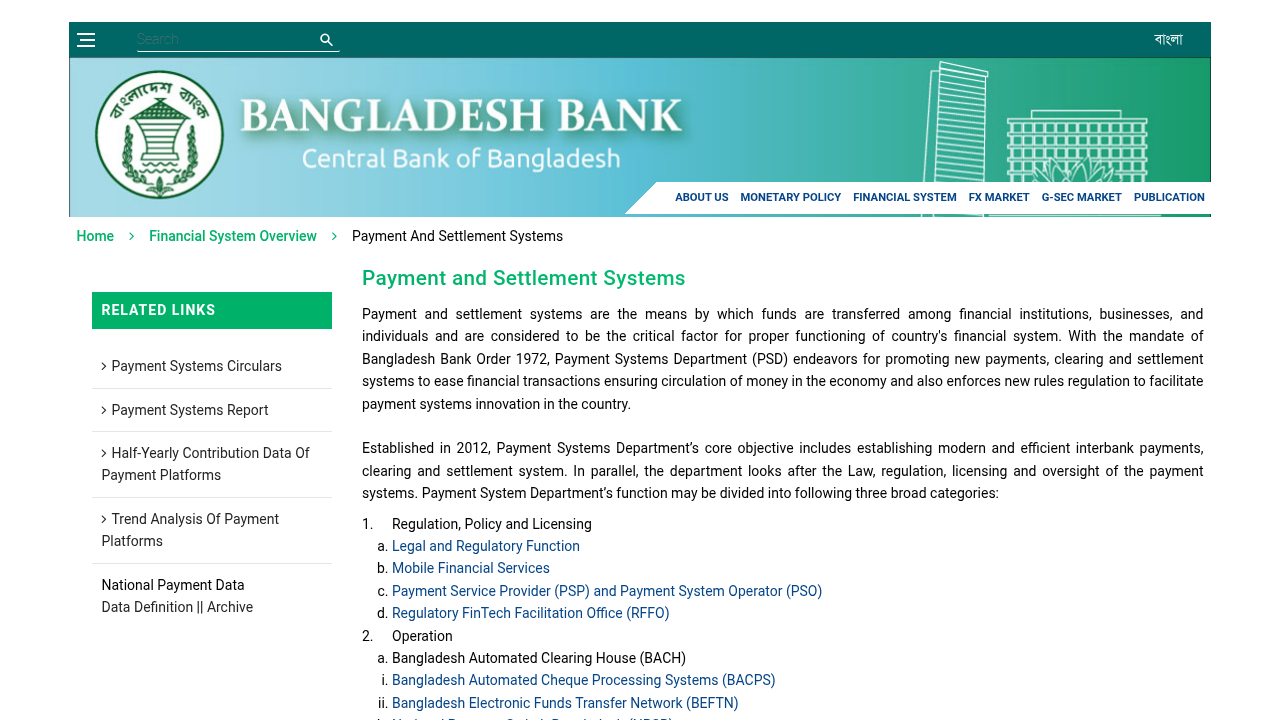
BD-S05Bangladesh Bank
Sets out provider-first escalation and then CIPC escalation for bank, finance-company and MFS complaints.
Open official sourceBD-S15Bangladesh Bank
Lists MFS services including bKash, Nagad and Rocket and identifies their business entities.
Open official sourceBD-S03Bangladesh Police
Explains the online complaint flow and says a complainant may need to attend a police station when the matter is suitable for a criminal case.
Open official sourceBD-S07BGD e-GOV CIRT
Shows fields for affected domains, logs, timing, impact and technical evidence in a cyber-incident report.
Open official sourceBD-S09BGD e-GOV CIRT
Records a dated campaign involving fake software, malware and local-payment lures; it does not justify claims about unrelated domains.
Open official sourceProvider and payment-oversight context only; it is not casino-merchant approval. Each source supports only the narrow proposition stated beside it. Recheck the live authority page before acting. Search snippets, advertising, forums and operator statements are not proof by themselves.
The authority's provider list does not prove a relationship with any casino. An exact merchant or recipient relationship needs independent evidence.
No outcome is guaranteed. Report the transaction facts promptly, obtain a provider ticket and follow the applicable complaint escalation.
Bangladesh Bank's procedure shows provider and provider complaint-cell steps before CIPC escalation. Recheck the live official instructions.
It is useful but should be kept with the original ledger entry, reference, provider status and recipient details. Redact any public copy.